

Climb the chalk downs, follow the fossil-strewn coastline and find a sheltered harbour to watch the tide. Dorset is compact but endlessly varied, a place where Jurassic cliffs meet Georgian seafronts and market towns keep old stories alive. This guide points you to the coastline’s signature sights, quieter nature pockets and the practical details guests and holiday-home owners want to know.
Dorset at a Glance
- Best for: Coastal walks, fossil hunting, family days out and country escapes
- Known for: The UNESCO Jurassic Coast, limestone arches and distinctive shingle landforms
- Good to know: Towns range from Bournemouth’s resorts to Dorchester’s Wessex heritage; transport is a mix of trains, regional buses and ferries
The Jurassic coastline and fossil story
Dorset’s coastline is a living geology lesson. The Jurassic Coast exposes cliffs, stacks and coves that reveal roughly 185 million years of Earth history and make fossil hunting a popular pastime in the right places.
Iconic spots such as Durdle Door and Lulworth Cove illustrate the coastline’s dramatic geology. To the west, Lyme Regis is also associated with fossil finds and coastal heritage. Visitors are encouraged to take care on cliffs and follow local guidance when searching for fossils.
Shingle ridges, arches and headlands
Distinctive shingle features are a hallmark of Dorset’s shore. Chesil Beach is one of the country’s finest shingle ridges, forming a long tombolo with rare tidal ecosystems and a very different coastal character from sandy bays.
Elsewhere vertical cliffs and sculpted stone produce memorable silhouettes. Old Harry Rocks, Portland Bill and the limestone arch at Durdle Door are part of a coastline of stacks, arches and sheer faces that change with storms and tides.
Harbours, islands and protected nature
Poole Harbour and its creeks shape a softer coastal life. Vast shallow waters, island-dotted inlets and sheltered moorings make the area a magnet for birdlife, boating and day trips. Brownsea Island, set within the harbour, provides a very different, quieter nature experience.
Durlston Country Park near Swanage and a network of downs and heaths around the Isle of Purbeck support seasonal wildflowers and butterflies. These mosaic habitats are best enjoyed on foot and reward visitors who look beyond the main beaches.
Towns, castles and Wessex storytelling
Dorset’s inland and coastal towns combine market tradition with literary and historic echoes. Dorchester captures Thomas Hardy’s Wessex associations, while Corfe Castle stands dramatically on a hill above the village that shares its name.
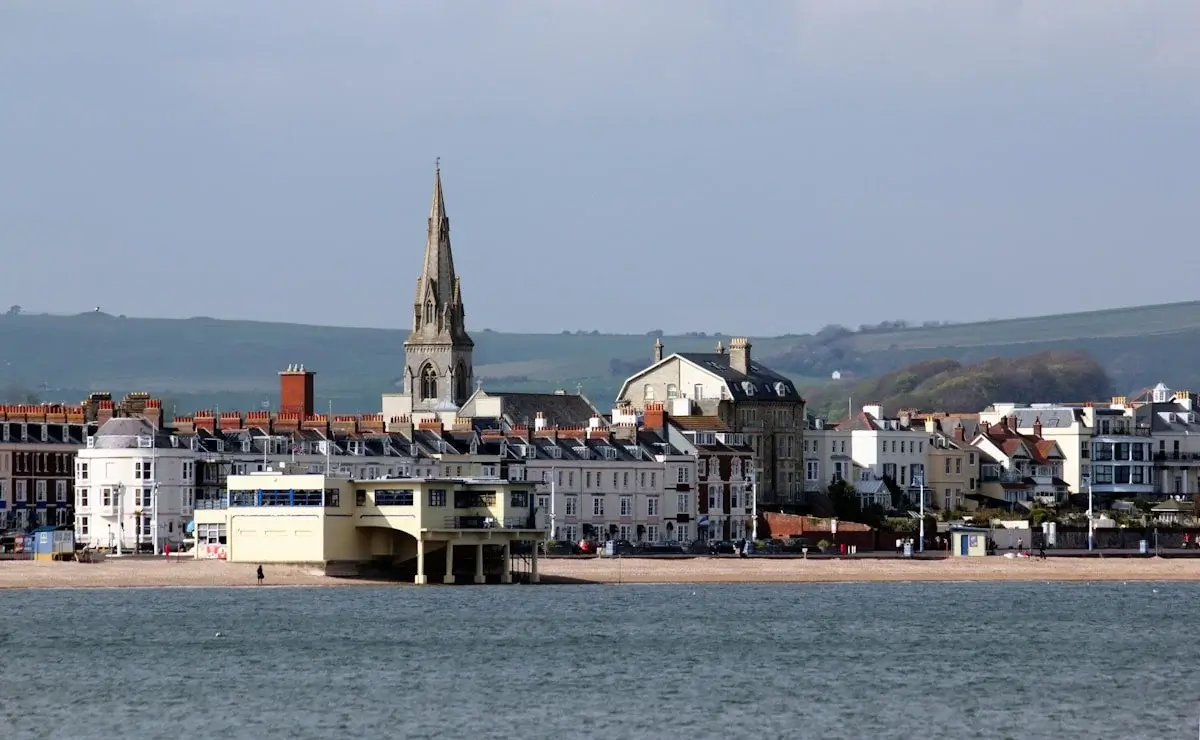
Sherborne Castle, Max Gate and the seaside promenades of Bournemouth and Weymouth all contribute different chapters to the county’s story. Markets such as Bridport Market still reflect local food and craft traditions, and attractions from The Tank Museum to Monkey World offer accessible family days out.
Explore Dorset on the Map
See where the featured towns, attractions and natural landmarks are located, then select a marker for directions.
Explore the Dorset Guidebook
Open the interactive Dorset guidebook to discover local attractions, places to eat, scenic walks and one-tap directions to every recommendation. No app is required.
Own a Holiday Home in Dorset?
Dorset is a strong short-break destination because of its compact variety: coastline, country and family attractions sit close together. A tailored Dorset Digital Guest Guide can give guests local arrival information, suggested itineraries, eco-friendly tips and up-to-date listings for restaurants, walks and attractions.
HostyGuides creates bespoke digital guest guides that help reduce routine enquiries and improve guest satisfaction. If you manage a self-catering or holiday-let in Dorset, a customised guidebook can be a useful, professionally presented addition to your welcome arrangements.
Frequently Asked Questions
When is the best time to visit Dorset?
Dorset is pleasant from spring into autumn when coastal walks and outdoor attractions are most comfortable. Summer brings warmer beach weather but also higher visitor numbers. Shoulder seasons can be quieter while still offering good walking and wildlife-watching opportunities.
What are must-see coastal experiences?
Walk parts of the Jurassic Coast to see features like Durdle Door and Lulworth Cove, visit Chesil Beach for its shingle ridge, and take in the stacks at Old Harry Rocks or the headland at Portland Bill. Allow time to explore harbour areas around Poole and brownsea Island for contrasting scenery.
Can I find fossils along the Dorset coast?
Fossils are associated with the Jurassic Coast and places such as Lyme Regis and parts of the cliffs attract fossil hunters. Conditions on beaches and cliffs change, so follow local guidance, avoid unstable cliff bases and consider joining a guided fossil walk for responsible collecting.
Is Dorset suitable for family days out?
Yes. Family-friendly highlights include sandy bays near Bournemouth and Weymouth, wildlife and island trips from Poole, heritage rail experiences such as the Swanage Railway, and visitor attractions like The Tank Museum and Monkey World.
Are dogs allowed on Dorset beaches and coastal paths?
Many beaches and coastal paths welcome dogs, but restrictions can apply seasonally or on specific sections of beach. Check local council or attraction guidance for dog rules before visiting, and be prepared to keep dogs on leads in sensitive nature areas.
How can a Dorset Digital Guest Guide help my holiday business?
A Dorset Digital Guest Guide provides guests with curated local information, practical arrival notes and recommended experiences. It can reduce routine queries, present house rules clearly and highlight nearby attractions to encourage longer stays and repeat bookings.