

Wind-swept ridgelines, ruined keeps silhouetted against pale light, and towns whose street patterns speak of centuries of trade and learning. Scotland folds dramatic mountains, islands and cities into one landscape where Gaelic voices, peat smoke and sea air are equally at home. This Scotland Digital Guest Guide is designed to inspire your trip and help guests make the most of time here.
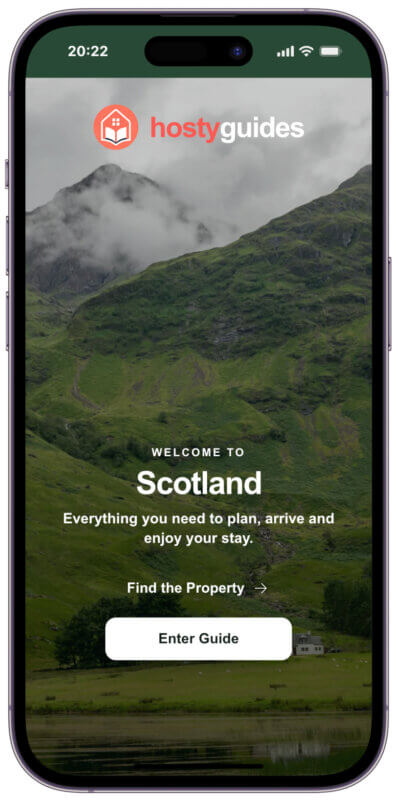
Explore the Scotland Guidebook
Open the interactive Scotland guidebook to discover local attractions, places to eat, scenic walks and one-tap directions to every recommendation. No app is required.
Scotland at a Glance
- Best for: Scenic road trips, hill walking, heritage and coastal beach days
- Known for: Highlands and islands panoramas, historic castles, whisky and seafood
- Good to know: Weather can change quickly; plan flexibly and check local advice for remote areas
Wild Highlands and islands
The spine of Scotland is a glaciated shape of mountains, peatland plateaus and scattered sea lochs. Places such as the Cairngorms National Park and the hills around Ben Nevis offer classic Highland panoramas and quiet glens where solitude is part of the appeal.
Islands and peninsulas push that wildness into sea-facing scenery. Portree on Skye and remote beaches such as Luskentyre or Sandwood Bay show how dramatic coastal contrasts can vary from sheltered sea lochs to sweeping white sands under clear polar light.
Castle-strewn cultural landscape
Stone silhouettes are everywhere. Famous strongholds such as Edinburgh Castle, Stirling Castle, Eilean Donan Castle and the ruined Urquhart Castle beside Loch Ness narrate centuries of clan rivalries, royal power and maritime defence.
Towns grew beside these sites, and visiting them often means following layered histories into civic centres such as Inverness and the university town of St Andrews. The contrast between fortified sites and Enlightenment-era streets is a defining feature of Scotland’s cultural landscape.
Gaelic life, food and coastal produce
Gaelic language and music continue to shape identity, particularly in parts of the Highlands and islands. You may hear Gaelic place names or find events and festivals that feature traditional song and piping alongside contemporary Scottish culture.

Local food culture is built around whisky, coast and game. Distilleries and provenance-led restaurants celebrate peated malts, while shellfish and shore-caught fish underpin many regional kitchens. Towns such as Oban and Pitlochry are good bases for sampling regional produce.
Outdoor heritage and modern engineering
Scotland’s outdoor heritage includes ancient drovers’ routes and popular walking ways in national parks. The landscape has inspired infrastructure from Victorian railways to modern engineering landmarks.

Visitors often seek engineering highlights such as the Glenfinnan Viaduct and the Falkirk Wheel. These structures link remote communities and tourist routes, showing how transport and landscape interact in practical and spectacular ways.
City life and coastal towns
Cities such as Edinburgh and Glasgow provide a different rhythm: museum collections, botanical gardens such as the Royal Botanic Garden Edinburgh and lively culinary scenes. Edinburgh’s compact old town and Glasgow’s civic architecture make city breaks easy to combine with Highland excursions.

Smaller towns including Oban, Inverness and Pitlochry offer ferry connections, local tours and gateways to nearby natural attractions. St Andrews remains notable for its historic streets and links to Scotland’s cultural history.
Explore Scotland on the Map
See where the featured towns, attractions and natural landmarks are located, then select a marker for directions.
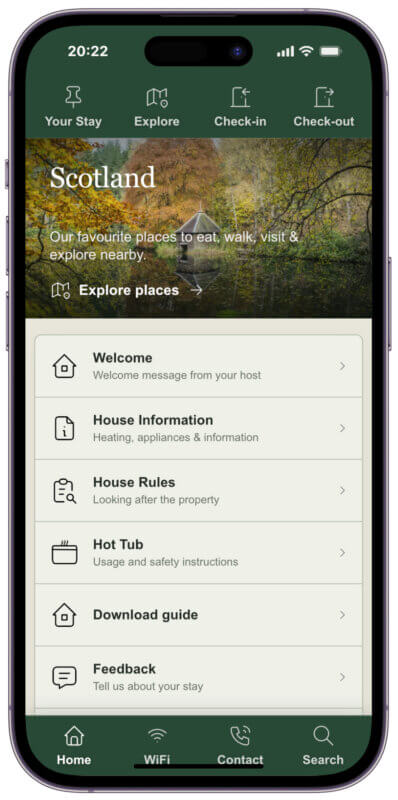
Explore the Scotland Guidebook
Open the interactive Scotland guidebook to discover local attractions, places to eat, scenic walks and one-tap directions to every recommendation. No app is required.
View the Scotland Digital Guest Guide
Own a Holiday Home in Scotland?
Many holiday-home owners in Scotland find that a well-crafted digital guest guide enhances the visitor experience and reduces routine enquiries. Helpful local information on attractions, recommended walks, emergency contacts and transport details can be provided in one accessible place.
HostyGuides offers bespoke digital guidebooks tailored to each property and its locality. A guide can include local highlights from Edinburgh and the Highlands to island beaches and castle trails, and is designed to be updated as circumstances change.
Frequently Asked Questions
What is the best time to visit Scotland?
It depends on your priorities. Late spring and summer often bring longer daylight and warmer weather, popular for hill walking and coastal beaches. Shoulder seasons can offer quieter towns and good wildlife watching, while winter suits people drawn to crisp air and inland landscapes. Always keep plans flexible because conditions can change quickly.
Can I see famous castles and natural sites in one trip?
Yes. Scotland’s compactness means you can combine city highlights such as Edinburgh Castle with Highland sites like Eilean Donan Castle or Urquhart Castle beside Loch Ness. Travel times vary, so plan a realistic itinerary and allow extra time for roads and ferries in island areas.
Are there good family-friendly activities?
Many areas offer family-friendly options: gentle coastal walks, beaches such as Luskentyre for sand play, wildlife boat trips and attractions with interpreted visitor centres. Towns like Pitlochry often host outdoor activities suitable for children. Check individual venues for suitability.
Is Scotland dog-friendly?
Scotland is generally dog-friendly, with many beaches, trails and some public transport accepting dogs. However, rules vary by beach, nature reserve and paid attractions, so check ahead for any seasonal restrictions or local guidance.
How should I travel around Scotland?
A mixture of car, rail and ferries is common. Car travel offers flexibility for remote areas and scenic routes, while rail links serve many towns and cities. Ferry services connect several islands. Allow extra time for single-track roads and popular routes in high season.
Can I get a Scotland Digital Guest Guide for my holiday property?
HostyGuides produces bespoke Scotland Digital Guest Guides that can be tailored to your property and locality. A guide typically includes local highlights, practical information for guests and suggestions for dining and activities, and can be updated to reflect changes.